CONTENTS
- Why Hybrid Events Are Becoming the New Standard for Engagement
- What makes an event "hybrid"?
- The Two-Audience Challenge
- Why Hybrid Events Are Changing Customer Engagement
- Breaking Down Geographic Barriers
- Creating Multiple Touchpoints
- Meeting People Where They Are
- Benefits of hybrid events to brands and audiences
- Extended Reach and Attendance
- Better data collection
- Cost Flexibility
- Sustainability Wins
- Tools and Platforms Powering Hybrid Experiences
- Event Management Platforms
- Streaming Technology
- Tools for engagement
- Networking Solutions
- Best Practices for Planning Successful Hybrid Events
- Design for Both Audiences from Day One
- Invest in production quality.
- Create Hybrid-Specific Content
- Test Everything Twice
- Measuring Engagement and ROI in Hybrid Events
- Quantitative Metrics That Matter
- Qualitative Feedback
- Business Outcomes
- Challenges and Considerations for Hybrid Event Strategies
- The Technology Learning Curve
- Keeping Virtual Attendees Engaged
- Pricing Strategy Confusion
- FAQ
- What is a hybrid event, exactly, and what does its operational setup look like?
- What are the factors that are pushing hybrid events to overtake the other two formats, i.e., fully virtual and physically present events?
- What are the key benefits of hybrid events for both brands and audiences?
- Which are the best platforms for hosting hybrid events?
- How can brands measure the engagement and returns on investment for hybrid events?
- Conclusion: Future Trends in Hybrid Event Marketing
Why Hybrid Events Are Becoming the New Standard for Engagement
Over the past two years, the events industry has been completely remade. The moment the pandemic made it impossible to hold live events, everybody turned to virtual platforms. And when things started getting back to normal, the companies realized something new and even better. Brands have chosen hybrid event marketing that allows them to present their messages in a way that old and new audiences can enjoy. What's most exciting? This is not a trend that will pass but a revolution in company-to-customer relationships.Understanding Hybrid Events: Where Virtual Meets In-Person
What makes an event "hybrid"?
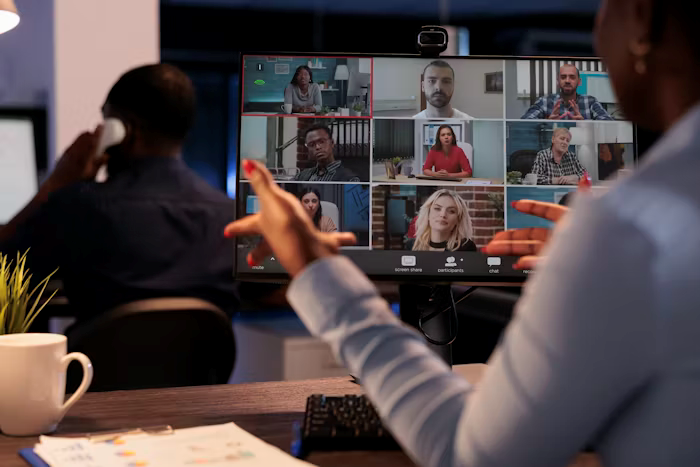
A hybrid event means a physical and digital experience combined into one. It is an event where some people are living at the venue during the event, while others join via your streaming networks or dedicated event applications. And it's not just setting up a camera in front of a stage. The best hybrid events bring useful experiences to both audiences simultaneously.
The Two-Audience Challenge
The downside is that you are practically doing two events at the same time. People who come to the venue want to socialize, have a direct experience, and feel the vibe that one can only get from being there, while people who are watching online want to hear loud and clear sound, good camera angles, interactive features, and they want to be able to participate without feeling like they're second-class citizens. It requires serious planning to please both sides.
Why Hybrid Events Are Changing Customer Engagement
Breaking Down Geographic Barriers
Think of traditional events. A person who resides on the other side of the country, or overseas, would need to provide a good reason for the travel cost, lost time at work, and hotel cost. The barrier is significant. But if you apply the hybrid event marketing strategy, the audience that you could attract all at once gets bigger. A person in Tokyo can participate in your New York conference through the setup of their home office.
Creating Multiple Touchpoints
By nature, hybrid events engage more people to a higher degree. The live audience may interact during intervals and professional networking sessions. The virtual group may be part of live polling, asking questions and receiving answers, and text chatting. Then, on the basis of on-demand access, the content is made available for both groups. Instead of just a one-day event, you are creating a longer and richer relationship with the audience.
Meeting People Where They Are
The world of conferences offered few options to those who did not want to travel. For some, accessibility issues made the event impossible to attend. Others had to juggle work, family, or financial constraints. Hybrid events communicated: "We want you there; we just need to find a way." Such inclusiveness cultivates real goodwill with the audience.
Benefits of hybrid events to brands and audiences
Extended Reach and Attendance
The data is unequivocal. Every time brands add a virtual component, their reported attendance rates are invariably two to five times higher. You aren't constraining yourself to only 300 in-person participants or 1,000 online ones; you are catering to both groups. This adds immense value to your event's ROI and your brand's visibility.
Better data collection
Hybrid event digital marketing creates analytics that non-virtual events couldn't even dream about: you know exactly who went to which sessions, how long they stayed, what questions they asked, and what content they downloaded. That's an absolute treasure for your sales and marketing teams.
Cost Flexibility
Here is one aspect that might come as a shock: Hybrid events can be cost-effective. The infrastructure for technology is a must, but you probably will not have to book a big venue, because not all the guests have to be physically present. The cost of travel for your attendees is significantly reduced. The recording of the content is done once and reused many times.
Sustainability Wins
Let's cut to the chase: flying hundreds of people around the country for a two-day conference is highly carbon-intensive. Hybrid events do much less damage to the environment while still offering the very same value of human interaction that the audience is supposed to derive from face-to-face meetings.
Tools and Platforms Powering Hybrid Experiences
Event Management Platforms
Hopin, Swoogo, and Hubilo are platforms that have been specially created for hybrid events. They manage registration, streaming, networking, and analytics all in one location. These are not just simple Zoom meetings with only a registration page. Rather, they are fully featured platforms, meant to make both the remote and on-site audiences feel taken care of.
Socail Media
Streaming Technology
You need reliable streaming technology, and there are great options at different price points. Vimeo Enterprise, StreamYard, and Restream are a few of the companies offering professional-quality broadcasting. Most of the event platforms can integrate with most of the tools, so the user doesn't have to manage several tools.
Tools for engagement
Slido, Mentimeter, and Poll Everywhere are just a few options that offer real-time polling and Q&A sessions to virtual and in-person viewers alike. In these ways, your two audiences will be brought closer together through this method, as everyone in the discussion will be given an equal voice.
Networking Solutions
Brella and Airmeet create virtual networking lounges where attendees can engage in one-on-one or small group video chats. Whova is a type of application that equips the in-person attendee with networking tools to allow them to connect with others before, during, and even after the event.
Best Practices for Planning Successful Hybrid Events
Design for Both Audiences from Day One
The worst thing you could do is plan an event face-to-face and treat the streaming as an extra. Start from the premise that both encounters will be equally important. What will your online audience do during the networking breaks? Will the in-person attendees be able to join chats and participate in the polls?
Invest in production quality.
The camera only shows what is happening to the virtual audience. It is the bad sound, poor lighting, and shaky camera work that will lead to their disconnection. You will need good-quality audiovisual equipment, a reliable internet connection, and a person solely responsible for managing the technical aspects.
Create Hybrid-Specific Content
Some sessions are suitable for both audiences very well. Panel discussions, keynotes, and presentations are easily translatable between the two. But you might prefer to have in-person-only workshops and virtual-only breakout rooms. Play to the strengths of each format.
Test Everything Twice
Technology always will fail you at the worst possible moment, unless you thoroughly test it. Do complete rehearsals with your speakers, check your backup internet connection, and have a plan B for each technological component.
Socail Media
Measuring Engagement and ROI in Hybrid Events
Quantitative Metrics That Matter
Keep track of e-registration versus actual attendance for both groups. Track session attendance, average viewing time, and replay views. Track your engagement metrics: responses to polls, questions asked, and chat activity. These numbers will tell you what is working.
Qualitative Feedback
Send surveys to both segments of the audience. Ask them specifically about their experience: What worked? What didn't? Would they attend again? The answers will help you improve your hybrid event marketing strategy for next time.
Business Outcomes
Connect your event data to business outcomes. How many leads did you generate? What is the quality of those leads? How many turned into customers? How much brand awareness did you build? That's what your executives care about.
Challenges and Considerations for Hybrid Event Strategies
The Technology Learning Curve
Your team has to learn new skills. Event planners become part producers; speakers need media training for cameras. It's a real investment in capability building.
Keeping Virtual Attendees Engaged
Virtual audiences are infinitely distracted: email, Slack, their real work, everything is competing for their attention. You have to work at engaging them, with interactivity, riveting content, and community building.
Pricing Strategy Confusion
The question is, how do you price tickets equitably? Virtual attendance costs less to deliver but offers different value. Some brands charge the same, others tier pricing, and some make it virtually free to maximize reach. There is no one right answer.
FAQ
What is a hybrid event, exactly, and what does its operational setup look like?
To put it in a nutshell, the hybrid event is a kind of gathering that integrates in-person and online participation within one cohesive experience. The in-person participants are at the location while the remote ones watch and interact with the same professionals and activities using digital media on streaming platforms.
What are the factors that are pushing hybrid events to overtake the other two formats, i.e., fully virtual and physically present events?
Hybrid events remain the best option. They provide you with the atmosphere and networking of in-person meetings, combined with the convenience and accessibility of digital attendance, thus remarkably wide outreach without requiring tough choices between formats by the attendees.
What are the key benefits of hybrid events for both brands and audiences?
Generally speaking, brands get a wider audience, better data collection, a possibility to differ in costs, and a promising ROI. The online attendees, on their part, have an option to attend in the way that is just right for them, spend less on traveling, get the content delivered, and be more actively included, no matter where they are and what the situation is.
Which are the best platforms for hosting hybrid events?
Hopin, Swoogo, and Hubilo are all-in-one suite providers for hybrid events. However, for streaming, the responsibility falls to specific tools like Vimeo Enterprise, while Slido handles audience interaction, and Brella connects virtual and on-site guests to the network.
How can brands measure the engagement and returns on investment for hybrid events?
Keep track of attendance rates, session view counts, the number of polled participants, and chat activities. Also, lead generation and post-event surveying should be considered in tallying the actual ROI by connecting the business results, such as conversion rate of sales and brand awareness, with the data mentioned above.
Conclusion: Future Trends in Hybrid Event Marketing
The hybrid model is here to stay. On the contrary, it's the standard expectation. Further innovations will integrate these experiences to perfection. We will see AI-based networking with matching of participants according to their interests, virtual reality areas for even more living digital experiences, smoother co-working of live and online people, and so on.
Those companies that learn the hybrid event marketing trick already today will be the winners for a long time. Besides, they will be able to do more marketing, collect the best data, and welcome everyone to their events. It is not only beneficial for the business; it is also beneficial for making a real community around your brand.
Learn more here.